

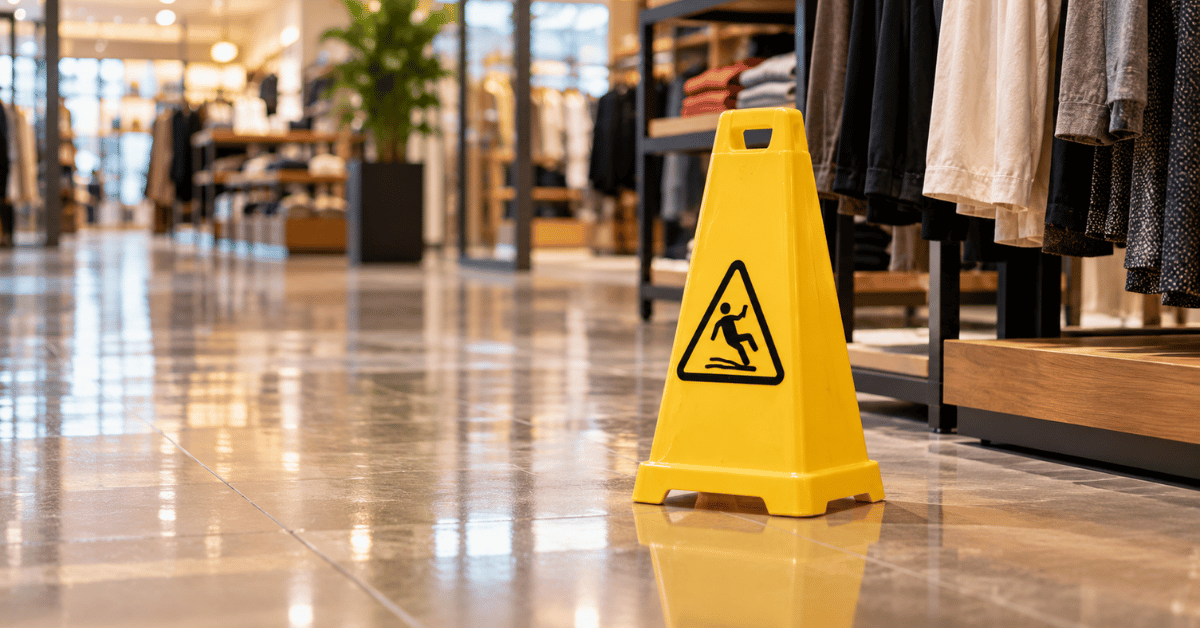
If a customer slips and falls in your Colorado retail store, the claim against you isn’t governed by the same general negligence standard used in most states. Colorado handles this by statute, and the law puts customers in the single category of visitor owed the highest legal duty of care a property owner can owe.
Why Colorado Treats Retail Customers Differently by Law
Most states rely on common law, built up case by case, to decide how much care a property owner owes an injured visitor. Colorado instead codified the entire framework into a single statute, the Colorado Premises Liability Act. The law sorts every visitor into one of three categories: trespasser, licensee, or invitee. A customer walking into a retail store to shop is an invitee, the category owed the highest duty. The statute’s own stated purpose, written into the law itself, is notable for an insurance conversation: lawmakers said part of the point was to create a legal climate that would foster the availability and affordability of insurance, alongside protecting private property rights and commercial enterprise.
What “Invitee” Status Actually Requires of a Retailer
An invitee can recover damages for a hazard the store owner actually knew about or reasonably should have known about, even if no employee ever saw or reported it. That second part, the “should have known” standard, is often called constructive notice, and it’s usually the most contested fact in a real slip-and-fall claim. A spill that happened moments before a customer fell is a different case than a puddle that sat near a cooler for hours during a shift when no one checked the floor. A licensee, by contrast, such as a delivery driver there for their own purposes rather than the store’s business, is owed a lower duty: the store only has to warn about hazards it actually knew about, with no obligation to have gone looking for them.
Why a Documented Inspection Routine Matters More Than It Sounds Like It Would
Because constructive notice hinges on what a “reasonable inspection routine” would have caught, whether a store can show it actually had one becomes central to defending a claim. A retailer with a logged, timestamped floor-check schedule has something concrete to point to. A retailer without one is left arguing about what should have been obvious after the fact, which is a much harder position. This isn’t a coverage question so much as a claims-outcome question, but it shapes how a general liability claim actually plays out once one is filed.
What a Slip-and-Fall Claim Can Actually Cost in Colorado Right Now
Colorado’s cap on non-economic damages, the portion of a judgment covering pain and suffering rather than medical bills, changed substantially under a 2024 law. For claims filed on or after January 1, 2025, the cap sits at a flat $1.5 million, replacing the older two-tier structure many older articles still cite. Economic damages, medical bills and lost wages, aren’t capped at all. A single serious fall in a retail store can carry real financial exposure well beyond what a business owner might assume from a routine slip-and-fall.
What General Liability Actually Covers Beyond the Fall Itself
A general liability policy responds to more than the slip-and-fall scenario most retailers picture first. Product liability claims, a defective item sold that injures a customer after they’ve left the store, fall under the same policy. So does a claim from a shelving display that tips over, or an allegation of libel or slander arising from a store’s advertising. The common thread across all of it is a third party alleging the business caused them harm, whether that harm happened on the premises or after the product left it.
What Makes Retail Different From a Typical Office or Contractor Risk
A retail store’s liability exposure is shaped by foot traffic in a way an office or a jobsite isn’t. More strangers moving through a physical space during business hours, unaccompanied by an employee at every moment, means more exposure to the exact invitee-status hazards the Premises Liability Act is built around. Aisle clutter, wet floors near entrances during Colorado’s snow season, and uneven flooring transitions are ordinary retail conditions that become the specific fact pattern these claims turn on. Many retail businesses pair this coverage with a business owners policy to also protect the store’s inventory and fixtures alongside the liability side.
What Does General Liability Insurance Cost for a Colorado Retail Business
Retail general liability premiums are shaped heavily by foot traffic volume and square footage open to the public, alongside the standard factors of payroll, claims history, and location. A small boutique with modest foot traffic typically sits toward the lower end of what Colorado small businesses generally pay for general liability coverage, while a high-traffic retail operation with a larger public floor tends to land higher in that same range, reflecting the greater invitee exposure a busier store carries.
Frequently Asked Questions
Why does Colorado handle slip-and-fall claims differently than other states?
Colorado codified premises liability into a specific statute, the Colorado Premises Liability Act, rather than relying on case-by-case common law like most states. The law sorts visitors into trespasser, licensee, and invitee categories, with retail customers classified as invitees owed the highest duty of care.
What is constructive notice in a Colorado slip-and-fall claim?
Constructive notice means a hazard existed long enough that a reasonable inspection routine would have caught it, even if no employee actually saw or reported it. It’s typically the most contested fact in a retail slip-and-fall case.
How much can a slip-and-fall claim cost a Colorado retail business?
For claims filed on or after January 1, 2025, Colorado’s cap on non-economic damages is a flat $1.5 million, under a 2024 law that replaced the older, lower cap structure. Economic damages like medical bills and lost wages aren’t capped.
Does general liability insurance cover more than slip-and-fall claims for a retail store?
Yes. It also responds to product liability claims from items sold, injuries from displays or fixtures, and advertising-related claims like libel or slander, in addition to on-premises injury claims.